
Enhance Packaging Processes with Bagging Automation
- Oct 6, 2025
- 3 min read
In today’s fast-paced manufacturing world, efficiency is king. Every second saved on the production line translates into cost savings, higher output, and better customer satisfaction. One area ripe for improvement is packaging, especially the bagging process. By integrating automated bagging technology, companies can streamline operations, reduce errors, and boost overall productivity. Let me walk you through how this smart automation can transform your packaging workflow and why it’s a game-changer for manufacturing companies.
Why Automated Bagging Technology is a Must-Have
Automated bagging technology is not just a fancy upgrade; it’s a strategic investment. Imagine replacing manual bagging tasks that are repetitive, time-consuming, and prone to human error with a system that works tirelessly, consistently, and precisely. Here’s why it matters:
Speed and Efficiency: Machines can bag products faster than humans, increasing throughput without compromising quality.
Consistency: Automated systems ensure every bag is sealed and filled uniformly, reducing waste and customer complaints.
Labor Savings: Free up your workforce to focus on higher-value tasks instead of repetitive manual labor.
Safety: Reduce workplace injuries related to repetitive motion or heavy lifting.
Scalability: Easily adjust to production volume changes without hiring or training new staff.
For example, a food manufacturer switching to automated bagging technology saw a 30% increase in packaging speed and a 20% reduction in material waste within the first quarter. That’s the kind of impact that can redefine your bottom line.

How Automated Bagging Technology Works
Understanding the nuts and bolts of automated bagging technology helps you appreciate its value and make informed decisions. Here’s a simple breakdown of the process:
Product Feeding: Items are fed into the bagging machine via conveyors or hoppers.
Bag Dispensing: The machine automatically picks and opens bags from a stack.
Filling: The product is accurately measured and dispensed into each bag.
Sealing: Bags are sealed using heat, adhesive, or other methods to ensure freshness and security.
Labeling and Coding: Optional step where bags are labeled or coded for tracking.
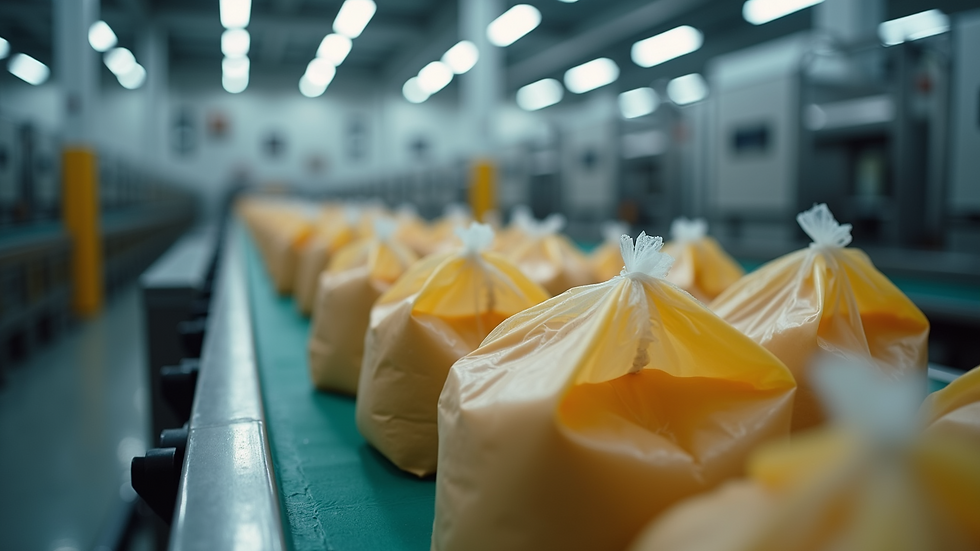
Output: Finished bags are discharged onto conveyors for further handling or packing.
Each step is controlled by sensors and software to maintain precision and speed. Plus, modern systems offer easy integration with existing production lines and can be customized for different bag sizes and product types.
What is Bagging Service?
Bagging service refers to the professional handling of packaging products into bags, either manually or through automated systems. It’s a critical part of the supply chain, especially for industries like food, agriculture, chemicals, and manufacturing. Here’s what a typical bagging service includes:
Product Preparation: Sorting and preparing products for packaging.
Bag Selection: Choosing the right bag type and size for the product.
Filling and Sealing: Ensuring bags are filled to the correct weight or volume and sealed properly.
Quality Control: Inspecting bags for defects or inconsistencies.
Logistics Support: Organizing bagged products for storage or shipment.
Outsourcing bagging services or investing in automated bagging technology can help companies maintain high standards while reducing operational headaches. For instance, a chemical manufacturer using a specialized bagging service improved product safety and compliance with industry regulations.

Practical Tips to Implement Automated Bagging Technology
Ready to take the plunge? Here are some actionable steps to ensure a smooth transition to automated bagging technology:
Assess Your Needs: Analyze your current packaging process to identify bottlenecks and pain points.
Choose the Right Equipment: Select machines that fit your product type, bag size, and production volume.
Plan Integration: Work with experts to integrate the system seamlessly into your existing line.
Train Your Team: Provide thorough training to operators and maintenance staff.
Monitor and Optimize: Use data from the system to continuously improve performance.
Partner with Trusted Providers: Collaborate with companies like ENZAC that specialize in smart automation solutions.
By following these steps, you can maximize the benefits of automated bagging technology and avoid common pitfalls.
The Future of Packaging with Smart Automation
The packaging industry is evolving rapidly, and automation is at the forefront of this transformation. Technologies like robotics, AI, and IoT are making bagging systems smarter, more adaptable, and more efficient. Here’s what to expect:
Real-Time Monitoring: Systems that provide instant feedback and predictive maintenance alerts.
Customization: Machines that can switch between products and bag types on the fly.
Sustainability: Eco-friendly packaging options integrated with automation to reduce waste.
Data-Driven Decisions: Analytics that help optimize supply chains and reduce costs.
Embracing these innovations will position your manufacturing operations for long-term success. Remember, investing in bagging automation is not just about technology; it’s about unlocking new growth opportunities and building a resilient, future-ready business.
If you’re looking to boost your packaging efficiency and embrace smart automation, now is the perfect time to explore automated bagging technology. With the right approach and partners, you can turn packaging challenges into powerful advantages.


Comments