
Streamlining Bulk Material Handling Processes
- Jan 26
- 4 min read
Updated: Mar 28
When it comes to manufacturing, efficiency is king. Every second saved, every error avoided, and every process optimized can translate into significant cost savings and improved output. One of the most critical areas where this efficiency can be unlocked is in material handling. Today, I want to share how streamlining bulk material handling processes with smart material handling solutions can transform your operations, making them faster, safer, and more reliable.
Let’s dive into practical strategies, real-world examples, and actionable tips that can help you embrace automation and smart technology to elevate your manufacturing game.
Why Material Handling Solutions Matter in Manufacturing
Material handling is the backbone of any manufacturing process. It involves moving, protecting, storing, and controlling materials throughout production. When done right, it reduces waste, minimizes downtime, and boosts productivity.
Here’s why investing in material handling solutions is a game-changer:
Improved Workflow: Automated conveyors, robotic arms, and smart storage systems keep materials moving smoothly without bottlenecks.
Reduced Labor Costs: Automation handles repetitive or heavy tasks, freeing your workforce for more skilled roles.
Enhanced Safety: Smart sensors and ergonomic equipment reduce workplace injuries.
Better Inventory Management: Real-time tracking ensures you always know what’s on hand, preventing overstock or shortages.
For example, a factory that switched to automated palletizers saw a 30% increase in throughput and a significant drop in workplace injuries. This kind of impact is why smart material handling solutions are no longer optional but essential.
Key Components of Effective Material Handling Solutions
To streamline your bulk material handling processes, you need to understand the core components that make up an efficient system. Here’s a breakdown:
1. Conveying Systems
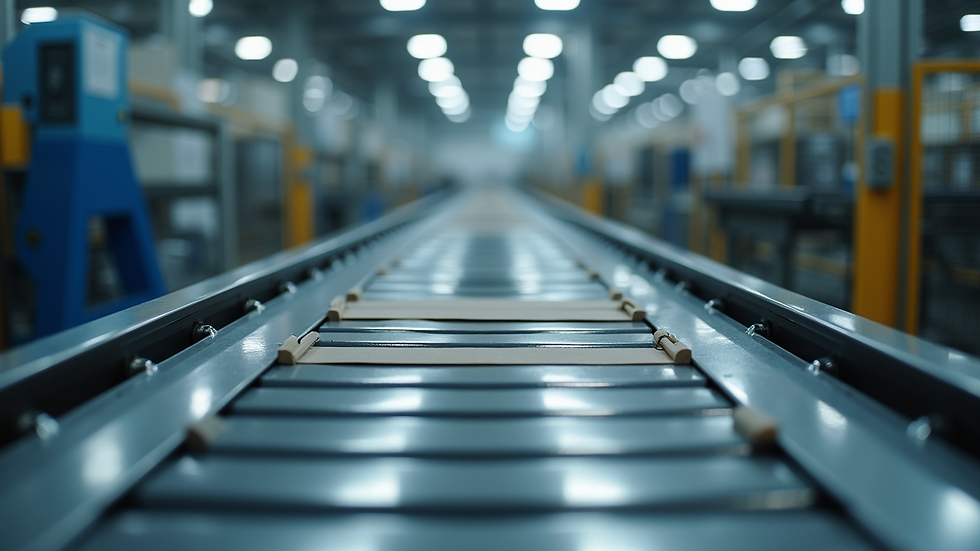
Conveyors are the arteries of your production line. They transport materials from one station to another with minimal manual intervention. Options include:
Belt conveyors for light to medium loads
Roller conveyors for heavy pallets
Overhead conveyors for space-saving transport
2. Storage and Retrieval Systems
Smart storage solutions like automated guided vehicles (AGVs) and automated storage and retrieval systems (AS/RS) optimize space and speed up inventory handling.
3. Sorting and Packaging Equipment
Automated sorters and packagers reduce errors and speed up order fulfillment, especially in high-volume environments.
4. Robotics and Automation
Robotic arms and collaborative robots (cobots) can handle repetitive tasks such as picking, placing, and palletizing with precision and speed.
5. Control and Monitoring Software
Integrated software platforms provide real-time data, predictive maintenance alerts, and workflow optimization tools.
By combining these components, you create a seamless, efficient system that reduces manual labor and increases throughput.
How to Implement Streamlined Bulk Material Handling Processes
Implementing a streamlined system might seem daunting, but breaking it down into clear steps makes it manageable and effective.
Step 1: Assess Your Current Workflow
Start by mapping out your existing material flow. Identify bottlenecks, delays, and safety risks. Ask questions like:
Where do materials pile up?
Which tasks are most labor-intensive?
What causes frequent errors or damage?
Step 2: Define Your Goals
Set clear objectives such as reducing handling time by 20%, cutting labor costs, or improving safety metrics.
Step 3: Choose the Right Equipment
Based on your assessment and goals, select the appropriate conveyors, robotics, and storage systems. Consider scalability and integration with existing infrastructure.
Step 4: Integrate Smart Controls
Implement software that monitors operations in real-time, providing insights and automating adjustments.
Step 5: Train Your Team
Ensure your workforce understands how to operate and maintain new equipment safely and efficiently.
Step 6: Monitor and Optimize
Use data analytics to continuously improve your processes. Small tweaks can lead to big gains over time.
By following these steps, you can transform your material handling from a bottleneck into a competitive advantage.

Real-World Benefits of Streamlined Material Handling
Let me share some tangible benefits that companies have experienced after upgrading their material handling processes:
Faster Production Cycles: Automated conveyors and robotics reduce handling time, speeding up the entire production line.
Lower Operational Costs: Less manual labor and fewer errors mean cost savings.
Improved Product Quality: Consistent handling reduces damage and defects.
Enhanced Worker Safety: Ergonomic equipment and automation reduce injury risks.
Greater Flexibility: Modular systems can adapt quickly to changing production needs.
For instance, a Malaysian manufacturing firm integrated automated guided vehicles and saw a 25% reduction in material transport time, enabling them to meet tighter delivery schedules without increasing staff.
Embracing the Future with Smart Automation
The future of manufacturing lies in smart automation. By embracing advanced bulk material handling technologies, you position your operations for sustainable growth and resilience.
Here’s how to stay ahead:
Invest in IoT-Enabled Equipment: Devices that communicate and self-optimize reduce downtime.
Leverage AI and Machine Learning: Predictive analytics can forecast maintenance needs and optimize workflows.
Adopt Modular Systems: Flexible setups allow quick reconfiguration for new products or volumes.
Focus on Sustainability: Efficient material handling reduces waste and energy consumption.
Remember, the goal is not just to automate but to create a smart, responsive system that turns production challenges into opportunities.
Taking the Next Step Toward Smarter Material Handling
Streamlining your bulk material handling processes is a journey, not a one-time fix. With the right material handling solutions, you can unlock new levels of efficiency, safety, and profitability.
If you’re ready to explore how smart automation can transform your manufacturing operations, start by evaluating your current setup and identifying areas ripe for improvement. Partnering with experts who understand your industry and goals can make all the difference.
By embracing innovation and continuous improvement, you’ll turn your production challenges into stepping stones for growth and sustainable success.
Conclusion
Ready to boost your manufacturing efficiency? Explore smart material handling solutions today and watch your operations thrive!
By focusing on these strategies, you can ensure that your manufacturing processes are not only efficient but also adaptable to future challenges. Embrace the power of smart automation and watch your operations flourish!


Comments